

Not Ready Yet? That’s Fine.
Tell us your budget and preferred area — we will send you a free shortlist of the best options available right now. No pressure, no obligation. We typically respond within a few hours.
Whether you are in Nairobi or the diaspora, working with the right real estate agency in Kenya means having someone in your corner who knows the market, knows the risks, and always puts your interests above the deal.

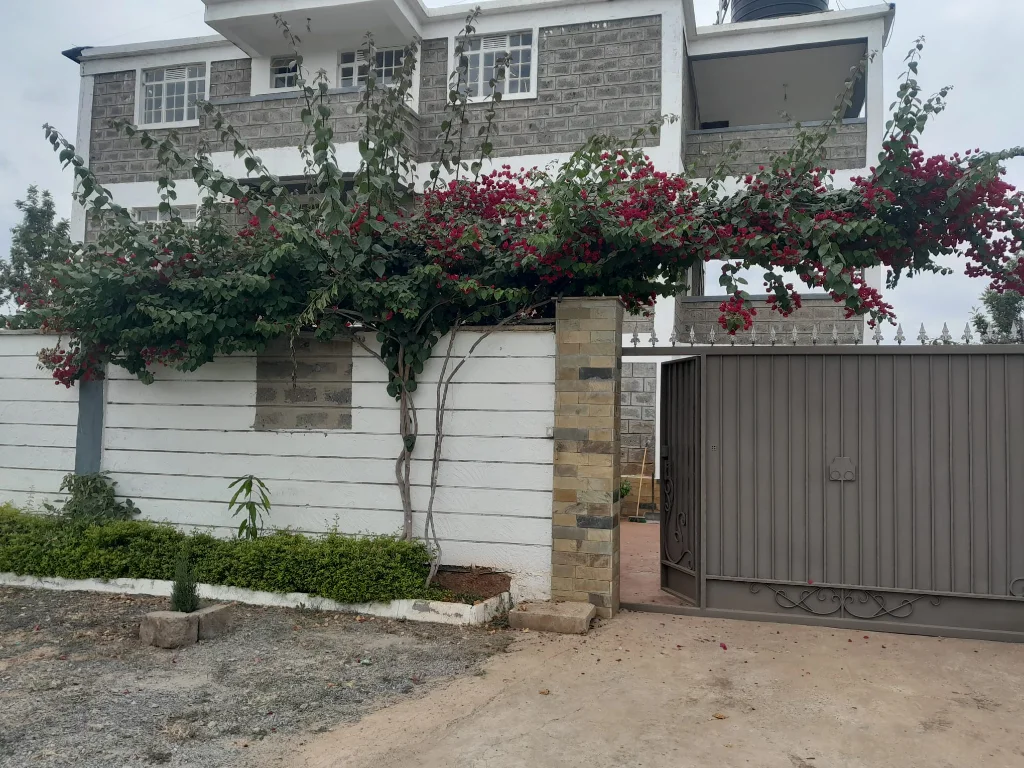



Choose your situation below and access clear, honest guidance built for Kenya’s property market — wherever you are in the world.

Start your journey to homeownership with confidence. We’ll help you understand the market, explore the best areas, and find properties that truly fit your lifestyle.

Ready to sell your property? We’ll guide you through valuations, pricing, and marketing, helping you attract serious buyers and close your sale with ease.

Looking for a place to rent? We’ll help you discover quality homes, understand your options, and secure the perfect space that suits your needs.
Kenya’s property market is full of opportunity — and hidden risks. Our guides help you navigate both with confidence.

Kenya’s land market is full of opportunity. It is also full of risk. Thousands of buyers have lost their savings buying land…

Kenya is attracting more international buyers than ever before. The country offers strong rental yields, a growing urban population, and a property…

Knowing how to value your property in Kenya is the first smart move before you sell, refinance, or insure your home. Property…
Whether you are buying, selling, renting, or investing — get clear property insights, market updates, and neighbourhood guidance from Malluug Realty Kenya, straight to your inbox.
From foreign ownership rules to tenant protection laws — here are clear, honest answers to the property questions Kenyans and diaspora investors ask most.
Yes — foreigners can legally own property in Kenya, though non-citizens cannot hold freehold land outright. Instead, they can hold leasehold titles of up to 99 years, which in practice gives full and secure control of the property. For diaspora Kenyans holding foreign citizenship, the rules can differ slightly depending on your individual situation. We always recommend clarifying your ownership status with a qualified conveyancing advocate before committing to any purchase.
Yes, some Kenyan banks offer mortgage facilities to foreign nationals and diaspora buyers, though eligibility criteria and deposit requirements are typically stricter than for citizens. Interest rates in Kenya are also considerably higher than in most Western countries, so many diaspora buyers opt for offshore financing or structured payment plans on off-plan developments instead. We can help you understand which option makes the most financial sense for your situation.
Stamp duty in Kenya is paid by the buyer, not the seller. The current rate is 4% of the property value for properties in urban areas and 2% for those in rural areas. It is paid to the Kenya Revenue Authority during the transfer process and must be settled before the title deed can be transferred into the buyer’s name. Understanding this cost upfront is essential for anyone budgeting for a property purchase in Kenya.
The most costly mistakes sellers make include overpricing the property based on emotion rather than market value, failing to clear any outstanding land rates before listing, and not having the title deed verified and ready before negotiations begin. Many sellers also make the mistake of signing agreements without independent legal representation, which can lead to disputes over terms that are difficult and expensive to resolve. Working with a verified agent from the outset significantly reduces the likelihood of any of these issues arising.
The cost of transferring a title deed in Kenya typically includes stamp duty, legal fees, and land search costs. Stamp duty alone is 4% of the property value in urban areas, with legal fees generally ranging between 1% and 2% of the transaction value. Additional costs include government registration fees and any outstanding land rates that must be cleared before transfer. In total, buyers should budget between 5% and 8% above the agreed purchase price to cover all transfer-related costs comfortably.
Tenants in Kenya are primarily protected under the Landlord and Tenant Act, which governs the rights and obligations of both parties in a rental agreement. The law covers areas including notice periods, deposit handling, rent increases, and the conditions under which a landlord can legally terminate a tenancy. Many tenants are unaware of these protections and find themselves in avoidable disputes as a result. Always ensure your tenancy agreement is in writing, clearly signed by both parties, and reviewed by someone who understands your legal rights before you commit.
The first step is defining what you want your investment to achieve — whether that is rental income, long-term capital growth, or both. Kenya offers strong opportunities across residential, commercial, and off-plan developments, particularly in Nairobi and its expanding satellite towns. Before committing any funds, it is essential to conduct thorough due diligence on the property, verify the title deed, and understand the full cost of acquisition beyond the purchase price. Working with a verified and experienced real estate agency ensures your investment is built on a solid foundation from the very beginning.